


Choosing the Right Exercise Book: A Simple Guide
Exercise books might seem straightforward, but the right choice can make a big difference to usability, durability and cost. Here’s a clear, no-fuss guide to the three things that matter most: rulings, colours and inner paper weight.
1. Rulings: Choosing the Right Layout
Different rulings support different age groups and uses. The most common options include:
- Plain (Unruled)
Ideal for drawing, sketching, diagrams and early learning.
- Ruled (6mm–15mm)
6–8mm: Best for older pupils, note-taking and office use
10–12mm: A good all-rounder for general classroom work
15mm: Ideal for younger learners developing handwriting
- Ruled with Margin
Helps with neatness, teacher feedback and structured work.
- Squares, Graphs & Specialist Rulings
Includes squared pages, music staves, dot lattice and graph paper — perfect for maths, science, music and technical subjects.
2. Cover Colours: Practical and Organised
Exercise book covers aren’t just about looks — they help with subject organisation and durability.
- Made from 225gsm manilla covers
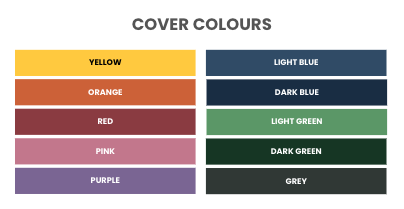
- Available in a wide colour range including: Yellow, Red, Pink, Purple, Blue, Green, Buff, Brown, Grey and Black
- Vivid and standard shades available for easy subject coding
Colour-coded books make it quicker for students and staff to stay organised (and reduce the classic “wrong book” problem).
3. Inner Paper Weights: Balancing Cost and Quality
Paper weight affects how the book feels and how ink performs on the page.
For Exercise Books
- 75gsm – lightweight and cost-effective
For Sketchbooks
- 100gsm Black Sugar
- 100gsm or 140gsm Chamois Cartridge.
- Designed for drawing, shading and creative work.
We support schools in ordering more sustainably by enabling departments to coordinate and consolidate their requirements into a single delivery. This reduces transport emissions and packaging, while also making things easier internally — with fewer deliveries to manage, simpler distribution, and streamlined invoicing and payments. It’s a smarter, more efficient approach that benefits both the environment and day-to-day operations.
In Summary
Choosing the right exercise book comes down to:
- Size
- Ruling – matched to age and subject
- Colour – for organisation and durability
If you’re planning ahead for the school year or reviewing your current stock, getting these basics right can save time, money and frustration.
Contact the team: sales@clydepaperandprint.com